Upsizing Your Home for Retirement Smart Financial Considerations
The Dream of a Bigger Home
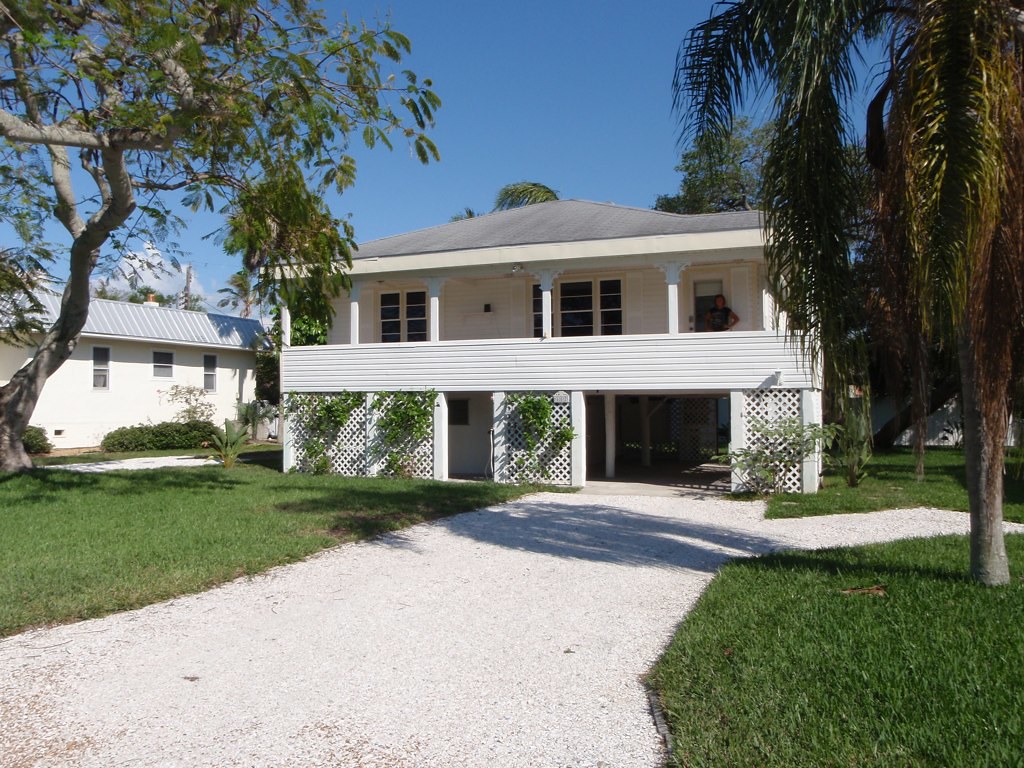
The idea of a bigger home in retirement might seem like a dream come true for folks who’ve spent years in a modest space, perhaps raising kids who are now off on their own adventures. You imagine sweeping views, perhaps a larger kitchen for those big family gatherings where everyone crams into your one small living room. For some, upsizing can symbolize a new chapter, a revitalized lifestyle after years of focused hard work.
But hang on a second. Before you start browsing listings with one too many zeros on the price tag, let’s take a minute to think about what this decision could mean for your wallet—because, let’s face it, not all dreams are cost-free.
Weighing the Pros and Cons
Bigger homes come with bigger responsibilities. Anybody who’s been responsible for a house knows it’s much like looking after a pet that never stops growing. Imagine the extra rooms: they need heating, cooling, cleaning, furnishing. All these “little” extras can nibble away at your carefully planned retirement budget.
On the flip side, more space offers comforts and conveniences you may have been longing for. It might be the perfect spot for crafting, woodworking, entertaining guests, or finally setting up that home theater you always wanted.
So, you might want to weigh the excitement of a new home against practical concerns like *maintenance costs*, *property taxes*, and *utility bills*.
Hidden Costs and Budgeting Mishaps
It’s easy to get caught up in the excitement of a new home, overlooking those sneaky expenses that tend to catch up with you when you least expect it. Picture setting a budget and then realizing the sheer volume of unexpected expenses that pour in faster than a broken pipe.
Consider these factors:
- Utilities: A bigger living area usually means higher watts consumed and gas used.
- Property Taxes: They’re not going to stay the same, likely increasing with square footage.
- Home Insurance: With more space and perhaps fancier finishes, expect the insurer to present a heftier bill at your doorstep.
It’s crucial to sit down with your financial planner or DIY with budget software to forecast these costs. You don’t want to realize too late that your cozy, spacious abode is draining your *retirement fund.*
Is Upsizing Right for You?
Upsizing isn’t everyone’s cup of tea—or, more aptly, can of paint. Some folks divide their lives into “pre” and “post” mortgage phases, longing for simplicity as they age. The charm of a bigger space might fade when you think about maintaining it, not to mention wandering room-to-room trying to remember why you walked there in the first place!
Consider how much time you actually plan to spend at home. If the plan is to travel or live seasonally in another locale, take that into account. Could a bigger house end up little more than an expensive hotel suite you barely use?
If grandkids are a factor, they might love visits, but keep in mind that kids grow up and schedules get busier. Your palace for reunions may turn into a royal chamber for one more often than you thought.
Community is Key
Picking a new place involves not just the house but the community around it. Proximity to loved ones, healthcare, amenities, and social opportunities can greatly affect your day-to-day life and well-being. Sometimes, *where* you live ends up being just as important as the *house* you live in.
When considering upsizing, think beyond just the property lines. How easy is it to get to your favorite spots or essential services? Is your heart set on a quiet suburb or a bustling neighborhood with plenty of activity? It could be worth spending some time there first before you buy in.
Planning for Future Needs
A bigger home now doesn’t necessarily solve future challenges. Consider adaptability for aging in place, especially if you’d rather not move again after this. Are there steep stairs? Could you install grab bars down the line? Future-proofing might sound like a futuristic concept, but it’s a practical thing to factor in.
Think about the distance to the nearest grocery store, pharmacy, or family members who can swing by if you need help. Smaller practical considerations now can turn into big benefits later on.
Financial Health Check
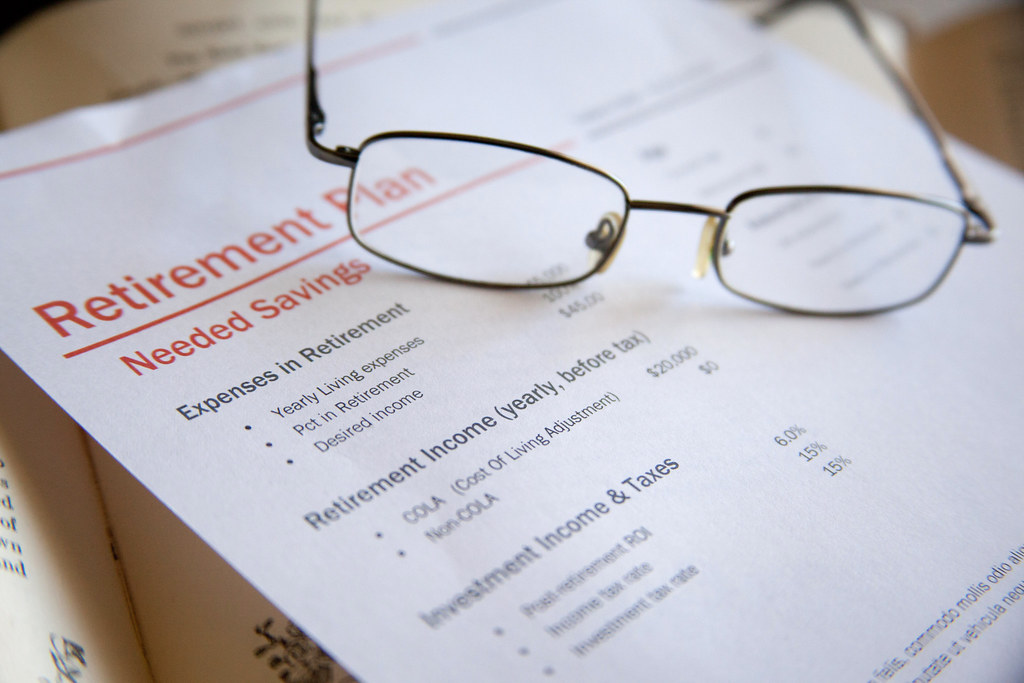
If you’re serious about upsizing, this might be the perfect time to do a health check on your financial situation. What’s the state of your savings, investments, and pensions—or any other income sources you depend on?
Be realistic about:
- Your retirement savings accounts and their projected growth.
- The impact of purchasing an upscale property on your portfolio balance.
- The possibility of unexpected expenses requiring liquid assets.
A financial advisor can help sketch out scenarios for different housing choices, grant you insights about tax implications, and create strategies for extracting equity from your current home.
Piecemeal Approach for the Win
One possibility is to dip your toes before jumping in. Perhaps explore alternatives like renting a larger home for part of the year. This allows you to experience the “upsize fantasy” without the long-term commitment and risks. It’s a bite-sized way to sample the lifestyle you’re curious about and see if it truly fits.
This trial allows you to test logistics. Are you comfortable with the distance to amenities? Do you enjoy the extra steps it takes to navigate a bigger space? Deciding against upsizing after experiencing it from a rental situation can be a relief rather than a regret.
Concluding Thoughts on Downsizing
For those who decide against upsizing, downsizing or staying put may be a better fit. Smaller spaces can offer reduced maintenance and more manageable costs. You might discover that the call to simplify holds more appeal.
So, if you’re eyeing that dream kitchen or spacious porch, take the time to consider the full picture—envision both the shining perks and the practical reality. Upsizing in retirement means more than square footage; it’s about maintaining the life you truly want to live.