The Ripple Effect of State Funding Freezes
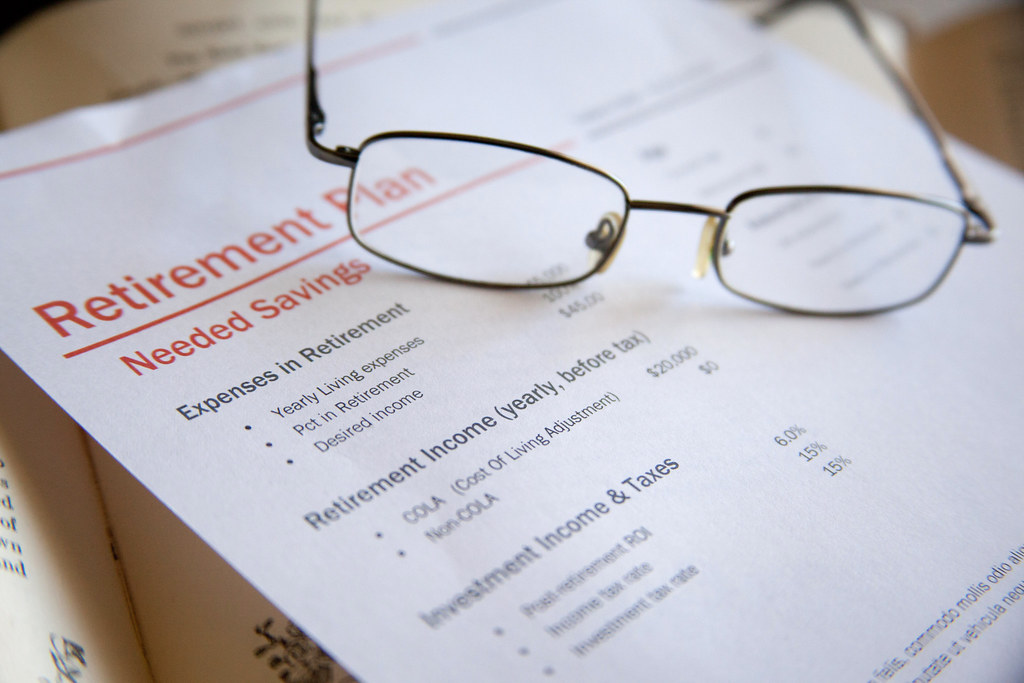
Imagine you’re planning your dream retirement. You’ve sorted out your savings, and you’re thinking about those golden years. But suddenly, there’s something in the news—a state funding freeze. It sounds ominous, doesn’t it? If you’re like most folks, your first thought might be, “How does this affect me?”
State funding freezes aren’t just local issues; they can ripple through statewide systems, influencing everything from education to infrastructure. And when these areas wobble, households might feel a pinch, directly or indirectly. It’s the kind of news that might make you stop sipping your morning coffee and look up with concern. It’s reasonable to wonder how exactly this plays out financially—now and in the future.
When state funds are frozen, public services and programs often see cuts or delays. It’s like putting your financial plans on hold mid-stream. For instance, if schools receive less funding, they might delay much-needed updates or resources. And without those improvements, would-be graduates may face challenges down the road, which can affect the job market. It’s a bit like when your tablet stops updating: everything else starts to lag behind.
These freezes can also affect local jobs. Imagine if public sectors experience widespread hiring freezes—suddenly, your neighbor or even a family member finds themselves in a precarious situation. Unemployment spikes, consumer confidence dips, and before you know it, the economy shifts in unexpected ways.
Why Does This Matter to You?
Even if you’re not directly involved with the sectors immediately affected, these changes can alter your financial landscape. An underfunded education system can result in a less prepared workforce, which might mean you’re sticking around in the workforce longer than anticipated. It’s always something to think about, isn’t it?
Planning for retirement isn’t just about stashing money in a 401(k) or watching your investments grow. It’s about understanding the broader financial ecosystem and making sure those dreams of long walks on the beach or that RV tour of the national parks can become a reality.
Parents’ Perspectives on Education Funding Freezes
Now, this may all sound a bit abstract until you meet the real people affected—parents. They’re often the most vocal when news of education funding freezes breaks. It makes sense; they’re thinking about their kids’ futures. For some people, it’s a question of the quality of education their children receive—they want the best opportunities for them.
Consider a mom named Linda. She’s juggling two jobs, and the news about potential program cuts at her child’s school isn’t just an inconvenience—it’s stressful. She might find herself attending more PTA meetings, advocating for updates in curricula, or even volunteering her scarce time in the classroom. But this isn’t just Linda’s story. It’s a shared narrative across many families who end up taking a more proactive role in ensuring that their children don’t miss out.
- School Programs: Cuts can mean fewer after-school activities, which can be a critical time for both learning and socialization.
- Classroom Size: Imagine more kids packed into a single classroom because there aren’t enough teachers to go around. It just makes everything harder, doesn’t it?
- School Resources: From outdated textbooks to old tech—when funding is scarce, schools struggle to keep up with basic educational tools.
These aren’t just minor inconveniences. Over time, as students receive a lower quality of education, they might not be as prepared for college or the workforce. It’s a domino effect impacting their futures, and by extension, the broader financial situation of the community.
The Bigger Financial Picture
Parents suddenly find themselves dipping into personal reserves or contemplating private schooling options, thinking it might guarantee a better education. These decisions not only mean immediate financial strain but also further drive economic inequality.
State and Federal Dynamics: Tug-of-War Over Funds
Then, there’s the ongoing saga between state and federal governments—imagine a long game of tug-of-war, where you’re not quite sure which side will land in the mud. When states sue to secure their rightful funds, it’s like watching a legal drama unfold with real-life stakes.
Does the federal government always play fair with the funds? Some argue absolutely not, which is why states push back. This isn’t merely a political dance; it’s about ensuring the resources promised actually make it into the hands of those who need them.
For retirees, this dynamic might seem removed at first. You might think, “I’ve paid my dues; surely, this doesn’t involve me.” But well, it kind of does. If states don’t get funding for infrastructure or social programs, it could mean changes in local taxes, shifts in community services, or even reallocation of funds that might affect services crucial to retirees.
Why This Matters for Your Retirement
Pension plans, social services, and community projects—all tied into this complex web. It’s not a stretch to see how one might be inadvertently affected. Imagine a new tax introduced to compensate for these freezes; suddenly, your carefully balanced budget feels tight. It may lead you to reconsider some of those retiree pastimes, pinching pennies where you’d rather not.
It’s about staying informed, understanding the systems at play, and knowing how these elements might eventually circle back to affect the financial decisions you’ve made and will continue to make.
Strategies to Navigate Uncertain Waters
All this talk about financial repercussions might have you feeling like you’re navigating a boat through stormy seas. But don’t feel adrift! Preparing for potential financial impacts from state funding freezes—especially ahead of retirement—can be simpler with a little forward-thinking.
Tackle Possible Budget Adjustments
First, it’s worthwhile to reassess and fortify your budget, consider possible rate hikes, or additional taxes that might appear due to shifts in state funding. Set aside a small cushion specifically to counter price increases in public utilities or services that might directly hit your wallet.
Keep a Keen Eye on Local Developments
Stay updated on your local news. Small shifts and changes announced in your community council meetings or state bills can give clues into what policies are being mulled over or implemented. Being informed lets you anticipate changes rather than react to them in surprise.
Engage in Community Chat
Sometimes the best insights come from casual conversations. Talk to neighbors, attend local forums, or participate in online community groups. Envision a group of friends who gather monthly not just for a book club but to discuss recent financial news impacting their community—it’s a way to share insights and strategies!
Invest in Knowledge
This might mean enrolling in a course or attending a talk about state funding impacts on local economies. It’s just like making sure you’ve fixed up your retirement sailboat before a long journey. Knowing the waters ahead lets you make smooth adjustments when necessary.
The Takeaway
While state funding freezes may begin as headlines about legislative battles, the ripples reach far and wide—touching education, public services, and even your retirement planning. What seems like a distant skirmish over numbers and figures can leave changes in the systems we count on.
By staying informed and proactive, you not only nurture your financial resilience but also contribute to a community that’s ready to handle these shifts together. Remember, it’s not about fearing the storm; it’s about learning how to set sail through it, ensuring your retirement continues to be smooth sailing ahead.