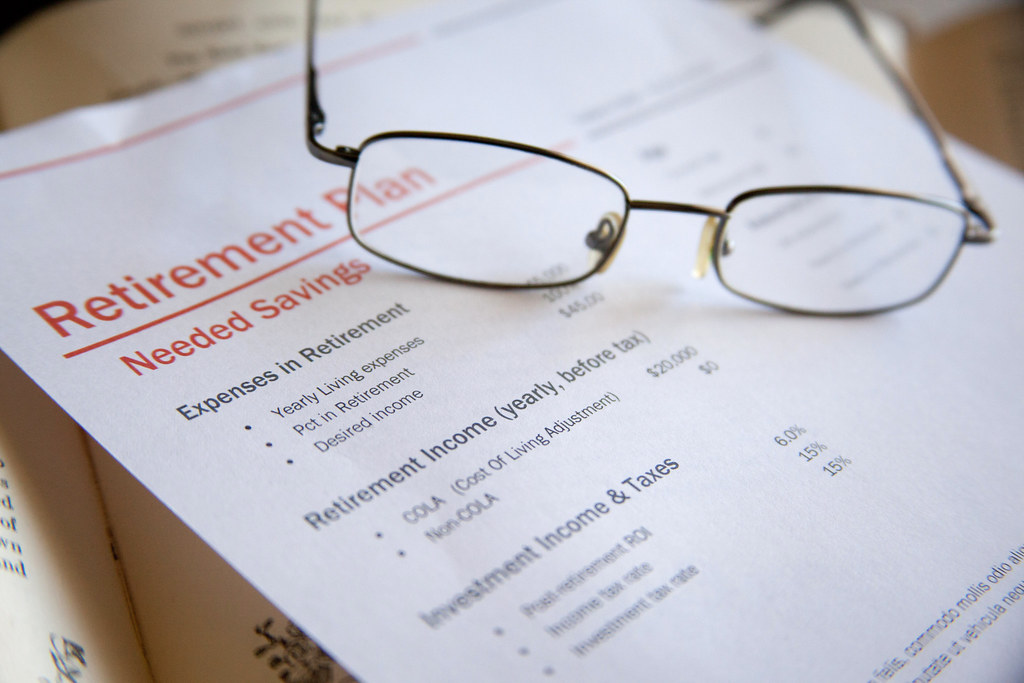
When the hustle and bustle of work life starts to slow down, and retirement is on the horizon, many of us begin to think about ways to stretch our savings. One area where we can possibly chip away at some expenses is car insurance. With the rise of technology, there are new ways to make car insurance more affordable, even during your golden years.
The Benefits of Telematics in Car Insurance
As we enter this new technological age, car insurance isn’t just a rigid, one-size-fits-all system anymore—it can actually recognize and reward your careful driving habits. This is where telematics enters the scene. You might be thinking, “Telem-a-what?” Don’t worry, it’s simpler than it sounds.
Telematics involves installing a small device in your vehicle (or using an app on your smartphone) that monitors your driving behavior. This gadget tracks things like how much you drive, how quickly you accelerate, and your braking habits. For someone who’s retired and perhaps driving less these days, or maybe just more cautiously, telematics could signal savings.
There’s also something gratifying about being recognized for the good habits you’ve honed over years of driving. No more lumping you in with aggressive, inexperienced drivers. Instead, the insurer gets a clearer picture of your driving style, potentially lowering your premium if you’re the slow-and-steady type.
But let’s be real—some folks might find the idea of having their driving tracked a bit invasive. It’s like having backseat drivers, except they’re crunching data instead of giving directions! If privacy is a concern, it’s worth considering if the potential savings are worth the trade-off.
Is Telematics Right for You?
– If you drive fewer miles than the average Joe, it could be.
– If privacy isn’t a major worry, you might benefit from this tech boost.
Embrace Comparison Tools for Competitive Pricing
Nowadays, finding the best car insurance deal can be as easy (and satisfying) as browsing for a new pair of shoes. Various online tools let you scout out different insurance policies without leaving your couch. Think of these tools as your digital personal shoppers for car insurance.
Consider logging onto a comparison website and letting their algorithms sift through countless options to find the best deal for you. You might be surprised at the range of options out there—some providers you’ve never even heard of before might offer competitive rates tailored to your driving needs.
Here’s a little tip: Don’t take the first quote you see as the be-all-end-all. Different insurers have different criteria and might weigh factors like age, location, and vehicle type differently.
Benefits of Online Comparison Tools:
– Instant access to multiple quotes
– Ability to customize coverage levels
– Discover lesser-known insurers that offer competitive rates
For some, diving into the world of online comparisons might feel overwhelming—like suddenly being knee-deep in insurance speak and fine print. But take your time. It’s not a race. Plus, understanding the details now saves you from headaches later!
Discounts: The Friend You Didn’t Know You Had
Who doesn’t love a good discount? Just like a surprise sale at your favorite bakery, the world of car insurance is filled with under-the-radar discounts waiting to be discovered.
The classic discounts include bundling your homeowner’s insurance with your car insurance—it’s like the combo deal of the insurance world.
But hold on, there’s more. Some insurers offer discounts for installing anti-theft devices, completing defensive driving courses, or even just being a long-term customer. If you lived most of your driving years without an accident, talk to your insurer about rewarding your accident-free track record.
You might even find that with a little conversation, you can coax a discount out of your insurance provider that isn’t openly advertised. A quick call might put you in touch with a consultant who can help you uncover these hidden gems.
Types of Discounts to Ask About:
– Multi-policy/bundling discounts
– Safe driver discounts
– Device-based discounts (anti-theft systems)
– Loyalty or long-term customer discounts
Saving money here and there can add up significantly, which can make all the difference during retirement when you’re steering clear of unnecessary expenses.
Reevaluate Your Coverage Needs
If you’re driving less post-retirement or maybe downsized to that cute little hatchback you always wanted, your coverage needs might have shifted too. It’s time to take a close look at your policy and make sure it aligns with your current lifestyle.
You might not need that extensive coverage anymore if your car is spending most of its time in the garage. On the flip side, if you’re planning a road trip across states, you might want better coverage on the open road.
Also, consider the value of the car you’re insuring. If it’s not worth much, you might want to think about lowering or even dropping some optional coverages like collision or comprehensive, which typically apply for newer vehicles.
Factors to Consider:
– Current driving frequency
– Value of your vehicle
– Planned travel or road trips
Reassessing your needs doesn’t just stop at coverage; it’s about making sure you’ve got coverage that makes sense for the way your life looks now. After all, you’ve worked hard to enjoy your retirement. You deserve the peace of mind that comes with having the right insurance.
Think About Raising Your Deductible
Here’s a tip that occasionally makes people a bit uncomfortable: raising your deductible. Essentially, a deductible is the amount you pay out-of-pocket before your insurance steps in. By opting to pay a little more in the event of an accident, you can lower your monthly premium.
Now, I understand the knee-jerk reaction some might have—”Wait, pay more if something happens?” But if you’re a cautious driver or find that you’re not driving as much, the chances of needing to pay that deductible might be slim. It can be a bet on your driving habits.
Plus, keeping your deductible higher can mean you keep more of your monthly budget untouched, which is helpful when you’re enjoying life in the slower lane.
Things to Weigh Before Raising Your Deductible:
– Your current driving safety record
– Savings set aside for potential use
– Comfort level with out-of-pocket expenses after an accident
Remember, insurance is about balancing risk and cost; see if this particular strategy aligns with both your driving habits and financial comfort.
Final Thoughts on Tech, Cars, and Saving
Navigating the world of car insurance in retirement can feel a bit like adjusting to driving on the opposite side of the road—it’s unfamiliar, and maybe a bit unsettling. But with technology playing a bigger role, you have more control over your policy and potential savings than ever before.
By embracing telematics, utilizing comparison tools, hunting for discounts, and adjusting coverage as needed, savvy retirees can find themselves saving a tidy sum every year. Taking the plunge into this techno-savvy approach to car insurance could be another way to stretch your retirement dollars further, giving you more freedom to enjoy the journey ahead.
So, as you ponder these tips, remember the end goal: making sure your insurance fits your retirement lifestyle like a glove, leaving you with peace of mind and a few extra dollars in your pocket to spend on those little joys life has to offer.