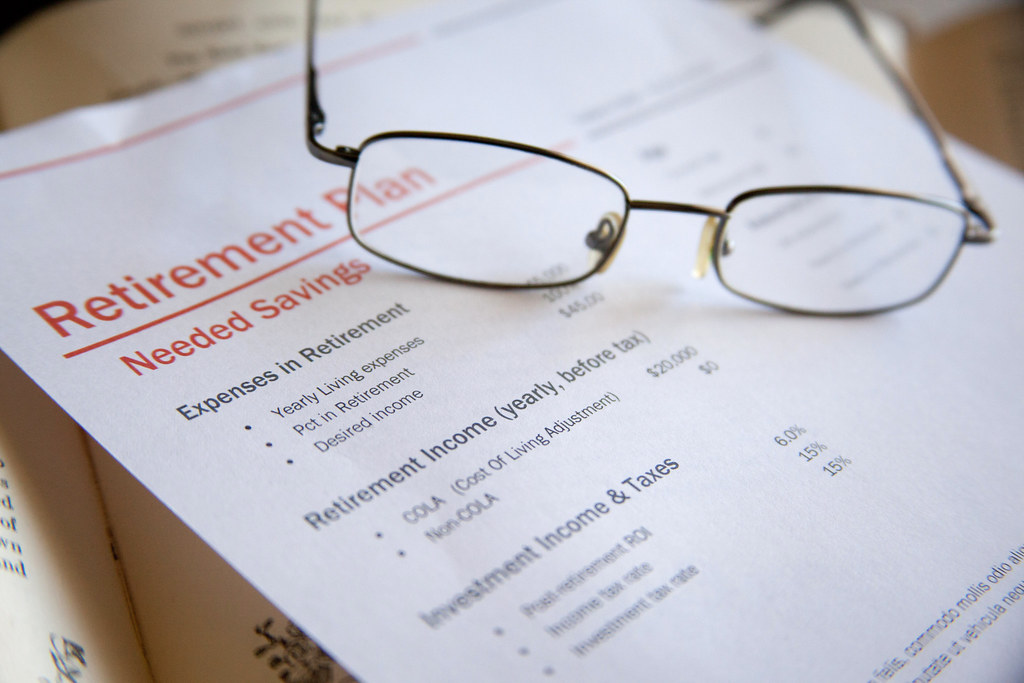
Rethinking Retirement Amid Changing Landscapes
Retirement planning isn’t what it used to be, and if you’re feeling that way, you’re definitely not alone. Once upon a time, folks had a pretty straightforward path: work for a few decades, retire on a cushy pension, and maybe travel or spend time with the grandkids. But, oh boy, how times have changed. Today’s retirement landscape looks vastly different, and it’s making everyone reevaluate what they thought they knew about life after work.
You might be sitting there scratching your head, thinking, “Is my retirement strategy outdated?” And the answer, for many, might be a surprising “yes.” Today, there are new challenges and opportunities altering the way we need to approach this significant life transition. From unpredictable markets to evolving social structures, the factors affecting retirement are more complex than ever.
Socioeconomic Changes and Their Impact
First off, let’s chat about the big picture—that intimidating force of socioeconomic changes. Modern retirees face an entirely different set of circumstances compared to their parents or grandparents. Take, for example, the wobbly nature of pensions. For some, hefty employer pensions are mythical creatures they’ve heard about but never actually seen. In reality, most folks are leaning heavily on personal savings and government programs.
There’s also the wild card of lifespan—people are living longer than ever before. That sounds like good news until you realize it means your nest egg has to last, in some cases, thirty years or more. Can it? Who knows, especially when medical advances keep stretching those golden years further every year.
There’s a conversation happening around kitchen tables everywhere concerning whether the traditional retirement period—even the act of retiring at a specific age—is still viable. For many, the idea of fully retiring at 65 seems like an old-fashioned notion. Instead, semi-retirement or even second careers are coming into play.
Market Fluctuations: Navigating Choppy Waters
Next, let’s talk finances—which, admittedly, can be nerve-wracking. Stock markets, unpredictable at the best of times, have become even more so in recent years. If you’re trying to outsmart the market for your retirement, it’s kind of like trying to predict the weather a month in advance.
It’s worth having a strategy—or maybe even a couple of backup plans. Having diverse investments can feel safer because, let’s be honest, putting all your eggs in one basket can sometimes feel like stacking the deck against yourself. It’s about finding that balance where you’re not losing sleep over every dip or rise.
Speaking of investments, a tip often whispered among savvy planners is not to overlook the power of compound interest. If you’re one of those people who started small, maybe in your 20s or 30s, pat yourself on the back. Compounding has had a longer runway to work its magic. But if not, don’t despair; it’s about making the right moves from where you are now.
The Emotional Highway: Preparing for Change
Okay, let’s switch gears for a moment. All this talk about numbers and markets is crucial, sure, but there’s an emotional side to retirement planning we can’t ignore. For many, heading into retirement involves significant lifestyle adjustments and, in some cases, identity shifts. What’s life like without the constraints of a daily job? Who am I beyond my profession? These can be big, unsettling questions.
The idea of stepping away from a career you’ve spent years building can feel akin to handing in a part of your identity. When you think about strolling through parks, spending afternoons at leisure, or even pursuing hobbies, it’s not just about passivity. It’s a chance to reclaim time for things that got sidelined during your working years. The trick, however, is to be mindful of what brings joy and pursuing those activities intentionally.
Social Connections: Nurture Your Community
The social aspect is another area where you’ll want to spend some time planning. Your daily interactions might change, which could shift social dynamics quite a bit. Let’s be honest—work colleagues often become friends, and once you retire, it’s easy to become a bit more isolated.
To mitigate this, stay connected. Whether it’s joining clubs, engaging in community activities, or starting a book club, these social ties can be critical in maintaining a happy and healthy retirement. Think about that—a chance to reinvent your social circles and build lifelong connections that aren’t centered around what you do from nine to five.
Strategies for the New Retirement Paradigm
Since we’ve acknowledged these shifts, what can you do to prepare? Reexamining your retirement strategy is a good start. Revisit those financial plans every few years, or even annually if possible. This doesn’t mean flipping everything upside down each time, but tweaking and adjusting based on life changes, market shifts, and personal goals.
Create a roadmap, but keep it flexible. Include alternative scenarios—like what if you chose to work part-time, volunteer, or even pursue additional education after retiring? Having multiple pathways can only make you feel more secure.
Technology in Retirement Planning
Here’s another nugget that could be a game-changer: technology. We live in an era where information is at our fingertips. Use tools like retirement calculators and budgeting apps to keep track of your savings and expenditures. When in doubt, online communities can be a resource to navigate unfamiliar economic climates.
Don’t hesitate to leverage virtual financial advisors either. Communication platforms have evolved to provide a personal experience that might suit you just as well as face-to-face meetings.
Stay Updated: Education Never Ends
Last but by no means least, embrace continuous learning. Financial literacy isn’t just for the young. The world of economics is continually evolving, and staying updated will help you make more informed decisions. You don’t need to become an economist, but understanding the basics can offer insightful perspectives when talking to your financial advisor.
Enrolling in workshops, online courses, or attending talks can offer pearls of wisdom about navigating your retirement. Consider them an investment in yourself and your future.
Embrace Your Retirement with Confidence
In the end, while retirement planning can feel like an ever-shifting puzzle, it’s also an incredible opportunity to shape the next chapter of your life. With some thoughtful preparation and a willingness to adapt, you can lay down a plan that feels as close to ideal as possible.
Remember, retirement isn’t a one-size-fits-all journey. It’s deeply personal, filled with dreams and goals unique to you. Embrace the process as a chance to reflect on what’s most valuable. Whether that’s spent in the company of loved ones, traveling the world, or contributing to causes you’re passionate about, the best strategy is one that aligns with your values and desires.
So here’s to leaning into those golden years, whatever they may look like to you. After all, you’ve earned it.