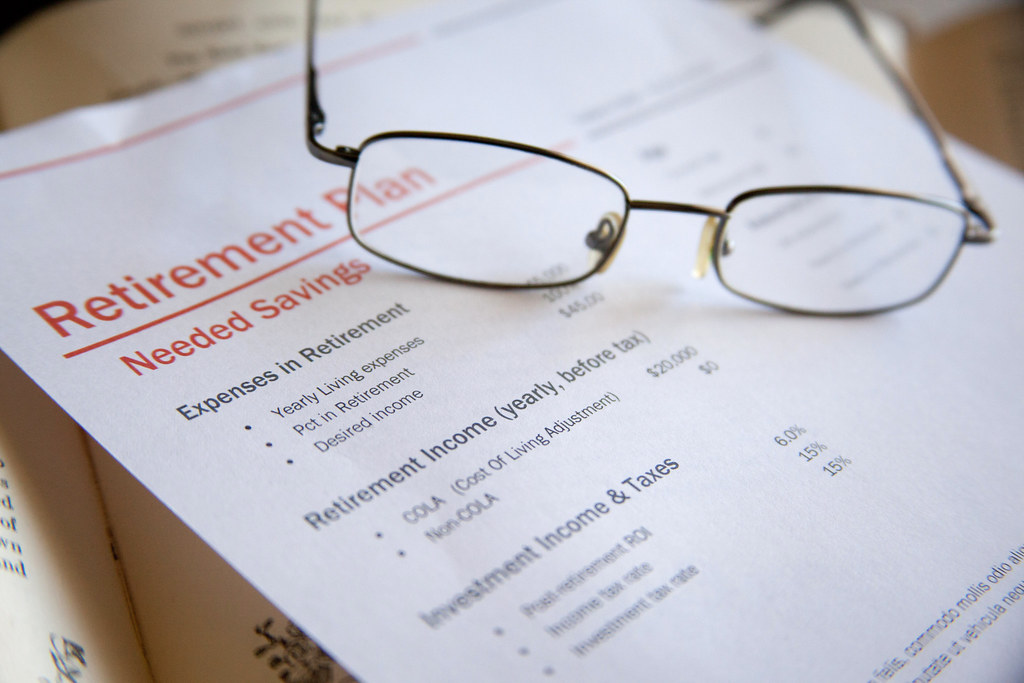
Imagine you’ve just retired, your finances are well-prepared, or maybe they’re a work in progress, but you’re wondering whether to hit the road for a new destination or to hit the pause button and think about investments. It’s a dilemma many face when trying to balance enjoying life now with securing an easy-going future. So let’s dive into how you can make informed decisions about both saving for retirement and savoring life’s adventures.
Understanding the Dilemma: Travel Now or Save for Later?
When I think of retirement, visions of sandy beaches and scenic mountain views spring to mind. For some folks, the idea of traveling far and wide becomes a tantalizing dream—one that might seem counter to the advice of sticking strictly to financial goals. But are travel and financial security really mutually exclusive?
When pondering whether to spend on travel or invest, it’s crucial to assess your current and projected financial health. Not everyone is in the same boat financially, and a plan that fits like a glove for someone else might not work for you. It’s important to personalize your strategy.
Analyzing Your Financial Situation
Take a bird’s eye view of your current assets, expected retirement income, and potential expenses down the line. Create a checklist or spreadsheet if you must, but make sure to:
- Estimate your monthly retirement income, including Social Security benefits and any pension plans.
- List down mandatory expenses like healthcare, housing, and food, which will continue through retirement.
- Factor in emergency savings and any existing debt (those car loans and mortgages won’t pay themselves).
Having a realistic assessment of your finances is the foundation upon which smart travel decisions are built.
Experience Over Things: The Psychological Aspect of Travel
Beyond the spreadsheets and bank statements, there lies the enduring debate: spend money on experiences or material possessions? Many people find joy and deeper satisfaction investing in experiences.
Think about it—remembering a sunset sail down the Rhine might bring lifelong happiness more than a brand-new car. But that doesn’t mean you shouldn’t plan; it merely means you should weigh each experience carefully.
The Emotional Rewards of Travel
For retirees, travel isn’t just about seeing new places; it’s about collecting moments and stories.
Consider these potential rewards:
- Broadening Horizons: New cultures teach invaluable life lessons, keeping you mentally sharp and engaged.
- Building Connections: Meeting people from different walks of life creates unexpected friendships and delightful interactions.
- Boosting Well-being: Details like fresh air, diverse cuisine, and relaxing by the sea can boost your physical and mental health.
But, a word to the wise: these deeper experiences don’t negate the necessity for a thought-out financial strategy.
Crafting a Balanced Financial Strategy
Merging travel aspirations with retirement goals? That requires a disciplined mix of savings, investments, and timing. Let’s break it down into something more achievable so you aren’t left frantically checking bank balances during those dream vacations.
Simplifying Investments and Savings
The idea is not to hope for the best but to plan for it. Consider these steps to maintain that careful balance:
- Create a Travel Fund: Set aside a portion of your income specifically for travel without dipping into retirement savings.
- Prioritize Investments: Focus on a diversified portfolio with both risk and returns in mind, allowing for some growth over time.
- Set Milestones: Define critical phases in your financial journey. Decide when you’d focus on accumulating, and when you’d focus on enjoying.
Use tools, calculators, and perhaps a financial advisor to firm up your savings plan. Keeping it flexible is key—life often brings surprises, and you don’t want to miss a great opportunity because of a rigid plan.
Travel Smart: Maximizing Your Experience
Travel doesn’t have to deplete your bank account. It really doesn’t. How can you see and do more without sacrificing your financial security?
Make the Most of Your Journeys
Little shifts in planning and perspective might just transform a good voyage into a great one.
- Travel During Off-Peak Seasons: Not only do you save money, but you also avoid crowded tourist hotspots.
- Look for Deals and Discounts: Senior discounts, group deals, and loyalty programs are always worth a browse.
- Embrace Local Experiences: Authentic interactions and regional dining often prove cheaper and more fulfilling than tourist traps.
Also, consider setting base in one locale for an extended period rather than hopping between destinations—it reduces costs and enriches the travel experience.
A Personalized Approach Is the Right Approach
There are no universal answers—the best path intertwines financial health with personal growth and joy. Introduce flexibility into your plans, remain patient, and stay informed about both travel opportunities and financial markets.
What Really Matters in the End?
In the grand scheme, finding peace with your choices is what’s most crucial. Some of you might gravitate towards safeguarding investments with tighter control, while others may envision adventure as equally integral to their life story.
Ultimately, your journey after retirement should be joyful and well-inhabited spaces of time—a chance to learn, grow, and savor being alive.
Remember, even if the world feels like it’s rushing by, you’re in the driver’s seat—at least, unless you’re on that guided tour bus! So go ahead, draft that financial map while simultaneously planning those bucket-list trips. Each step, each mile, a story unraveling. It’s your adventure.