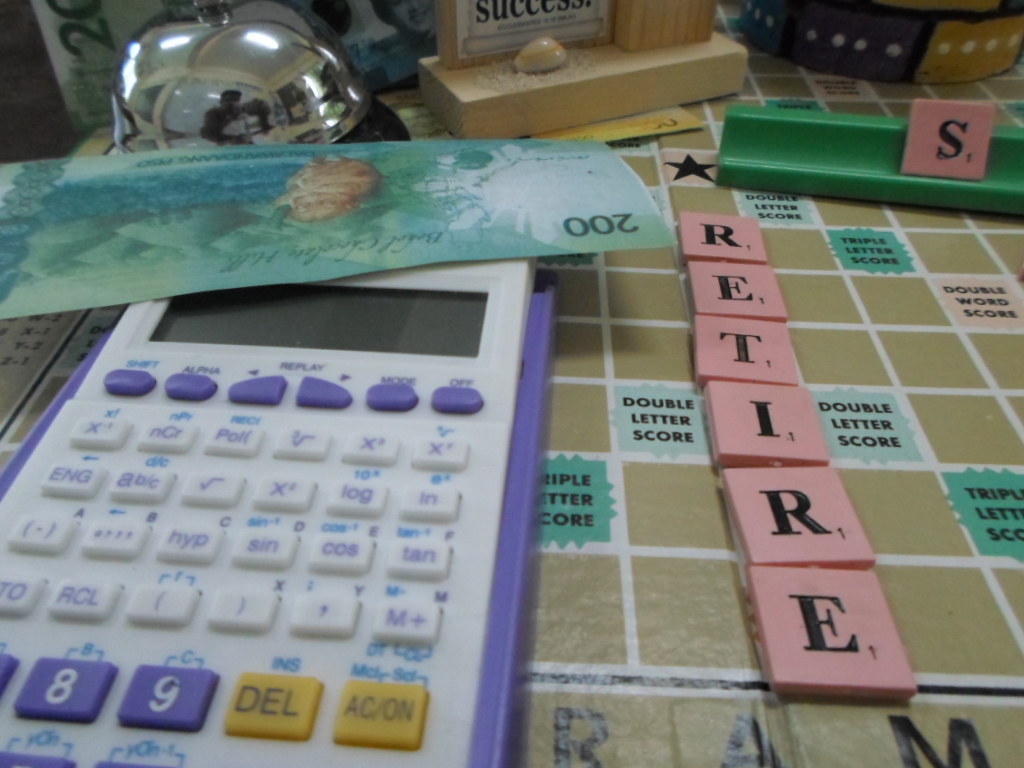
Retirement income planning often sounds more complicated than daily life feels. Most households are not asking for a perfect spreadsheet. They are asking a simpler question: can the bills get paid this year without turning every market dip into a household emergency? That is where a two-bucket cash plan can help. It does not promise higher returns, and it does not replace a real investment plan. It gives retirees a cleaner way to separate near-term spending money from the longer-term money that may need time to recover after rough markets.
What is the basic idea? The first bucket holds money for near-term spending: checking, savings, and other cash-like reserves for regular bills, property taxes, insurance premiums, travel already planned, and the unglamorous repairs that always seem to arrive at the wrong time. The second bucket holds longer-term retirement assets such as diversified funds, bonds, or other investments chosen for the household’s risk tolerance. The point is not to label one bucket safe and the other risky. The point is to avoid selling long-term assets every time the refrigerator breaks or a quarterly tax bill arrives.
A useful cash bucket is usually measured in months, not vibes. Some retirees may feel comfortable with six months of planned withdrawals in cash. Others may want one to two years, especially if most of their income depends on portfolio withdrawals. The right number depends on pension income, Social Security timing, housing costs, health expenses, and whether the household still has part-time income. A retiree with a paid-off home and steady pension may need a smaller cushion than someone using investments to cover nearly every bill.
Why does this matter when markets fall? A down market is stressful enough without also needing to sell shares for next month’s expenses. A cash bucket can give the portfolio time to breathe. It does not remove sequence-of-returns risk, but it may reduce the pressure to make rushed decisions. That is especially important early in retirement, when large withdrawals during a market slump can do lasting damage. Cash is not there to be exciting. It is there to buy time.
The tradeoff is that cash can lose purchasing power when inflation runs hot. Keeping too much money idle can quietly hurt a retirement plan. That is why the cash bucket should be intentional rather than unlimited. A household can hold enough for confidence while still letting longer-term money work. The balance is personal: too little cash can create panic, while too much cash can become a drag.
How should retirees refill the cash bucket? One practical method is to refill on a schedule instead of reacting to headlines. For example, a retiree might review the plan every quarter or twice a year. If investments have had a strong run, they can sell enough to top up the cash bucket. If markets are down, they may spend from the cash bucket and wait, assuming the broader plan still fits. This turns rebalancing into a routine instead of an emotional decision.
Another approach is to route predictable income directly into the first bucket. Social Security, pension payments, annuity income, interest, or dividends can land in checking or savings first. Regular bills come out of that same area. Portfolio sales then become a planned refill rather than the first line of defense. This setup also makes it easier to see when spending is drifting higher than expected.
What belongs in the cash bucket? It should be boring and accessible. Checking accounts, savings accounts, insured bank deposits, Treasury bills, or money market options may all play a role depending on the household and account type. Retirees should understand FDIC or NCUA insurance limits when using bank or credit union deposits. Chasing a tiny bit of extra yield is not worth creating confusion about access, penalties, or safety.
Taxes matter too. Withdrawals from traditional IRAs, taxable brokerage accounts, Roth accounts, and cash savings can have different tax effects. A retiree may want the cash bucket funded from a mix of sources, especially near year-end when tax brackets, Medicare IRMAA thresholds, and estimated tax payments come into view. The best cash plan is not only about liquidity; it also works with the tax plan.
What mistakes should people avoid? The first mistake is treating the cash bucket like a license to ignore spending. If the bucket keeps draining faster than expected, that is useful information. It may mean inflation, travel, adult-child support, insurance premiums, or home repairs are pushing the plan beyond what the portfolio can support. The second mistake is holding cash in too many places. Simplicity matters. If a retiree cannot explain where next year’s spending money sits, the system is too complicated.
A two-bucket plan is not magic. It will not fix an underfunded retirement, guarantee investment returns, or replace professional advice. But it can make retirement income feel less random. When the first bucket covers near-term spending and the second bucket supports long-term growth, the household gets a clearer rhythm: spend deliberately, refill thoughtfully, and avoid letting market noise dictate every monthly decision.
One practical way to start is with a calendar, not a complicated model. List the next twelve months of expected withdrawals, then mark the big uneven bills: insurance premiums, property taxes, estimated tax payments, travel, dental work, car insurance, and holiday spending. That calendar can reveal whether the cash bucket is sized for real life or only for average months. Average months are rarely the problem in retirement; the problem is three expensive things arriving in the same quarter.
The plan also needs a communication piece. If one spouse or partner usually handles the investments, the other person should still know where the spending bucket sits, how it gets refilled, and which account pays which bills. A cash plan that only one person understands is fragile. A simple one-page summary can be more useful than a thick binder nobody opens. Include account names, approximate target balances, refill dates, and the name of any adviser or tax preparer involved. That way the cash bucket becomes a household system instead of a private mental note.
Another useful habit is to write down what would trigger a change. If the cash bucket drops below a target balance, the household may pause discretionary travel or refill from a planned source. If the bucket grows too large after a market rally or home sale, the extra cash may be invested, gifted, or used to reduce debt. Written triggers help retirees avoid making every decision from scratch. They also make it easier to distinguish a real plan update from a nervous reaction to headlines.
Couples and single retirees can both benefit from using plain language. A two-bucket plan should answer three questions: how much is reserved for near-term spending, where is it held, and when will it be reviewed? If the answer requires five accounts and a complicated spreadsheet, the system may be too fragile for real life. Retirement cash flow should be easy enough to follow during tax season, during a medical issue, or while traveling. The simpler the operating system, the more likely it is to work when life is busy.
Educational note: This article is for general education only and is not personalized financial, tax, or investment advice. Consider speaking with a qualified professional before changing retirement withdrawal or investment strategies.
Sources: