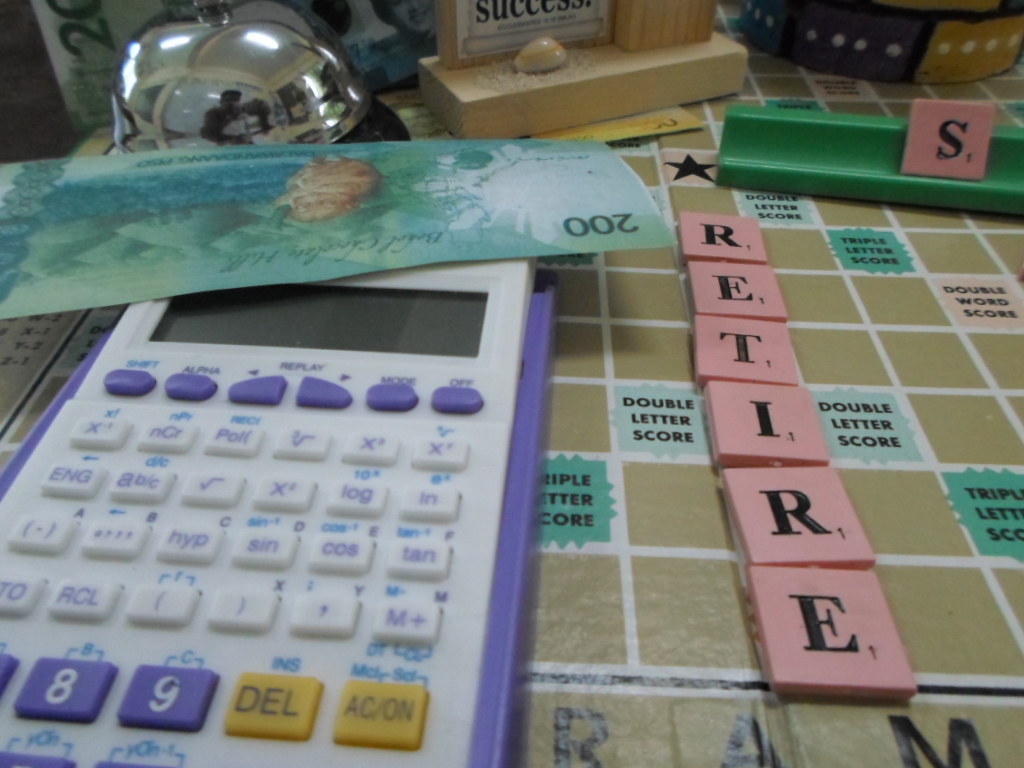
Back-to-school shopping has a way of looking small until the receipts are stacked together. A backpack here, notebooks there, shoes that actually fit, a calculator, a technology fee, classroom supplies, lunch containers, and a few emergency purchases can turn a seasonal errand into a real household bill. Fresh local reporting about higher school-supply costs is a useful reminder that August and September spending deserves the same attention as a utility bill or insurance premium.
The hard part is that school shopping is emotional. Parents do not want a child to start the year feeling unprepared, embarrassed, or left out. Teachers often ask families to help stock classrooms. Stores place the cheapest crayons beside the more expensive backpacks, headphones, tablets, water bottles, and clothing. That mix can make the trip feel urgent even when only part of the cart is truly required.
What happened? WBEZ reported that costs for back-to-school supplies are expected to be higher for some Chicago families, a story that fits a broader national pattern of families watching seasonal expenses carefully. The National Retail Federation also tracks back-to-school shopping as one of the bigger annual retail seasons, which matters because families may treat it as routine even when the total keeps climbing.
Inflation does not hit every family in the same way. One household may reuse last year’s backpack and buy only pencils. Another may have a student entering a new grade with technology needs, sports fees, uniforms, or transportation changes. A national average can be interesting, but the family budget is local, personal, and tied to the actual school list.
Why does this matter for ordinary households? Because seasonal spending can sneak onto credit cards before the household has agreed on a ceiling. A $40 difference at one store may not seem important. Four or five small overruns across supplies, clothes, lunches, and activities can become the balance that carries into October.
The first practical step is sorting the list into three columns: required now, required later, and optional. Required now means the teacher, school, or course really needs it during the first week. Required later means the family can wait for a paycheck, sale, or hand-me-down. Optional means the item may be nice, but it should compete with other household priorities.
Should families buy everything in one trip? Not always. One-trip shopping feels efficient, but it can also remove the chance to compare prices, ask the teacher what is truly needed, or use items already sitting at home. A two-pass approach can save money: buy the basics first, then fill gaps after the first few school days.
Credit-card rewards can make a family feel better about the bill, but rewards do not erase interest. If the balance will be paid in full, a rewards card may be convenient. If the balance will revolve, the household should treat the purchase as borrowing, not shopping. A discount at checkout can disappear quickly once interest begins.
What should parents ask before adding tech items? Ask whether the device, headphones, calculator, subscription, or app is required by the school or simply marketed as helpful. Technology can be useful, but it can also create extra warranty, replacement, compatibility, and privacy questions. A required calculator is different from a nice-to-have gadget.
Families can also separate student dignity from brand pressure. A child may need a reliable backpack, not the most expensive one on the aisle. A teenager may need shoes that fit the school day, not a purchase that wrecks the grocery budget. That conversation is not always easy, but it is part of teaching money judgment without turning the child into the family’s budget manager.
Where can a household look for relief? School supply drives, teacher wish-list swaps, parent groups, tax holidays where available, local nonprofits, bulk-buying with another family, and delaying nonessential purchases can all help. The most important move is asking early, before the family is already at the register.
Back-to-school spending is not just about pencils. It is a yearly test of planning, priorities, and the household’s ability to say not yet. A family that starts with the school list, names a dollar limit, protects the must-buy items, and keeps credit-card interest out of the backpack is doing more than shopping. It is teaching the child how a budget works in real life.
What is the one-page check before acting? Write down the bill, deadline, account, dollar amount, and official source involved. If the decision cannot fit on one page, the household may not understand it well enough yet.
The second check is cash flow. A move can be smart across a year and still hurt next Friday. Families should know which payment, transfer, premium, or deposit is due before the strategy has time to look good on paper.
The third check is reversibility. Some choices can be undone with a phone call. Others create fees, tax forms, application windows, waiting periods, or customer-service fights. The harder the move is to unwind, the more boring documentation the household should keep.
The fourth check is whether the household is comparing the right alternatives. Companies often frame a decision as their product versus doing nothing. A better comparison may be a smaller purchase, a safer account, a later deadline, or simply waiting until one missing fact is confirmed.
The fifth check is who else needs to know. Money systems become fragile when one person keeps every password, policy, beneficiary form, tax form, and payment date in their head. A spouse, partner, adult child, or trusted helper may not need every private detail, but someone should know where the records live.
The sixth check is the follow-up date. Put a thirty-day review on the calendar while the paperwork, receipt, or account screen is still easy to find. That review should ask whether the promised benefit appeared, whether a new fee showed up, and whether the next step still makes sense.
The seventh check is paperwork. Good decisions can still create forms, confirmations, return windows, notices, policy changes, or tax records that surprise the family later. Save the official explanation and name the file in a way another adult can understand.
The eighth check is household resilience. A move that improves one corner of the budget should not leave checking fragile, insurance unpaid, credit-card debt more expensive, or medical bills harder to handle. The family should know what happens if a repair, delayed paycheck, or health cost lands before the plan pays off.
The ninth check is whether the decision depends on one assumption. If the plan only works when rates stay high, prices fall, wages rise, health stays perfect, or a company keeps every promise, the household should build a backup path.
The tenth check is language. If the household cannot explain the decision in ordinary words, it probably is not ready. The explanation should include what is changing, why now, what it costs, what can go wrong, when it will be reviewed, and where the proof is stored.
The eleventh check is the small-dollar leak. Many household problems do not start with one giant mistake. They start with a subscription nobody cancels, an annual fee nobody notices, a convenience charge that keeps repeating, or a purchase category that is always treated as exceptional. A family should look for repeat patterns before blaming one purchase.
The twelfth check is timing. A good price can still be wrong if it lands in the same week as rent, insurance, tuition, a tax estimate, or a medical bill. Cash timing is not glamorous, but it is often the difference between a manageable decision and a credit-card balance that hangs around for months.
The thirteenth check is the outside incentive. Banks, retailers, apps, lenders, insurers, and platforms usually want the household to act now. That does not make the offer bad, but it means the family should ask who gets paid if the decision is made quickly. Slowing down is sometimes the only discount that matters.
The fourteenth check is a family rule for next time. If the same decision will return next month, next semester, next renewal period, or next tax season, write a rule while the lesson is fresh. A simple rule can save the household from re-learning the same expensive lesson over and over.
The fifteenth check is the receipt trail. Screenshots, email confirmations, policy pages, cancellation numbers, and dated notes are not clutter when money is involved. They are the proof a household may need if a price changes, a return is denied, an account is questioned, or a future family member has to understand what happened.
The sixteenth check is the stress test. Before committing, ask how the household would feel if the benefit were half as large, the cost arrived sooner, the refund took longer, or the person who normally handles money were unavailable for two weeks. If that version still works, the choice is sturdier.
The seventeenth check is the low-drama alternative. Often there is a middle option between doing everything and doing nothing: buy less, wait one billing cycle, ask for a written quote, compare one more provider, freeze the account, or set a calendar reminder. The middle option is not exciting, but it can protect cash and reduce regret.
For educational purposes only. This is general information, not personal financial, tax, legal, credit, insurance, or investment advice. Rules, prices, rates, and program details can change. A household with a complicated tax return, debt problem, insurance claim, retirement decision, or legal question should consider speaking with a qualified professional before acting.
Sources: WBEZ: Back-to-school supply costs expected to be higher; National Retail Federation: Back-to-school spending; Bureau of Labor Statistics: Consumer Price Index; CFPB: Credit cards.