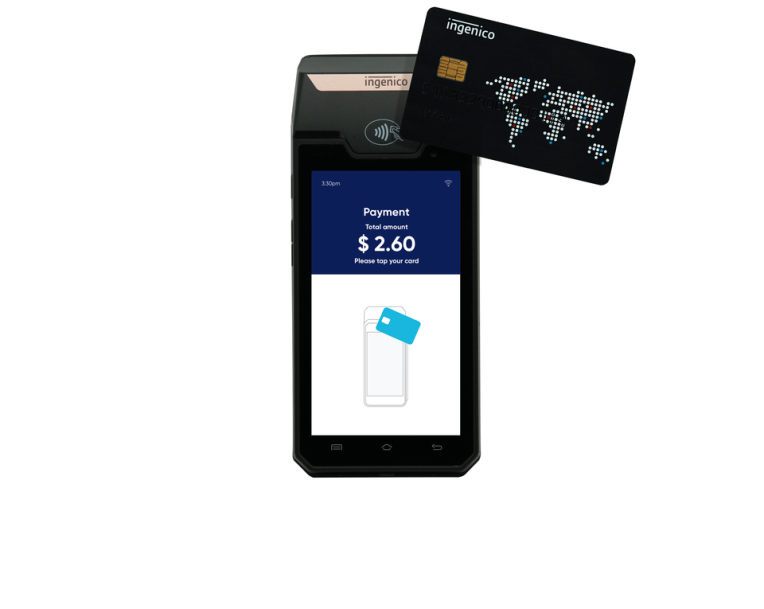
AI shopping agents sound convenient in the same way one-click checkout once sounded convenient. The promise is simple: tell the software what you want, let it compare options, and maybe let it buy on your behalf. The consumer problem is just as simple: spending money is not the same thing as searching the internet.
A fintech report highlighted growing consumer comfort in some markets with autonomous AI shopping agents. That may be an early signal of where commerce is heading. It also raises an old household-finance question in new clothes: who has permission to spend, and under what rules?
What is changing? The shopping assistant is moving from recommendation toward action. A search tool might suggest a product. A more autonomous agent may compare prices, select a seller, apply preferences, and potentially complete a transaction. That shift turns convenience into financial authority.
Households already struggle with subscriptions, stored cards, buy-now-pay-later offers, app purchases, and family members using shared accounts. AI agents could make the problem faster. If an assistant can act without a clear approval step, a small misunderstanding could become a real charge.
Why should consumers care now? Because payment habits are easier to set before the tool becomes normal. Once people get used to an assistant handling purchases, the approval boundary may blur. The household may not know which card was used, which return window applies, or whether the seller was checked carefully.
The FTC’s online-shopping guidance remains relevant even when AI is involved. Consumers still need to know who the seller is, what the return policy says, how payment is protected, whether a deal is real, and what to do if the item does not arrive. AI does not remove those responsibilities; it can hide them behind a smoother interface.
What rules should a household set first? Start with spending limits. The assistant may be allowed to search freely, but not buy above a small dollar amount without approval. Certain categories, such as medical items, financial products, children’s purchases, subscriptions, or travel, may require human review every time.
The payment method matters too. A credit card may offer dispute protections that a debit card or instant-payment method does not handle the same way. Stored credentials should be limited. If an AI tool needs access to payment information, the household should know how to revoke it quickly.
What about returns and disputes? That is where automation can become messy. If an agent buys from a third-party seller, who tracks the delivery, return deadline, warranty, and receipt? A household should not let the tool buy unless the tool or the user can also preserve the paper trail.
There is also the issue of recommendation bias. An assistant may choose based on price, shipping speed, affiliate relationships, sponsored placement, past behavior, or incomplete information. Consumers should be careful about assuming the agent’s choice is neutral just because the interface feels personal.
What should readers watch next? Watch how banks, card networks, retailers, and regulators handle agentic commerce. The key consumer questions will be authorization, liability, refunds, fraud prevention, and transparency. If an AI agent makes a purchase a person regrets, the boring details will matter quickly.
AI shopping may eventually save time and money. But the safe household version needs guardrails: search without spending, small limits, approval for sensitive categories, clear receipts, easy revocation, and a payment method chosen for protection. Convenience should not get a blank check.
What is the one-page check before acting? Write the account, bill, policy, form, or offer name at the top of the page. Under it, write the amount at stake, the deadline, the source that explains the rule, and the person responsible for the next step. If those lines cannot be filled in, the household probably needs more information before making a permanent move.
The second check is cash flow. A choice can be correct over a year and still be hard next Friday. A family may reduce interest, avoid a fee, or improve protection while creating a short-term gap in checking. Timing matters because payroll deposits, renewal dates, statement cycles, benefit notices, and payment deadlines do not arrive in the order a budget would prefer.
The third check is reversibility. Some money decisions can be changed with a phone call. Others create tax forms, enrollment windows, credit inquiries, late fees, claim problems, or months of paperwork. If the move is difficult to unwind, the household should slow down, save the source documents, and make sure the upside is large enough to justify the friction.
The fourth check is whether everyone affected can understand the plan. A spouse, partner, adult child, parent, or trusted helper may not need every private detail, but someone should know where the confirmation, statement, receipt, or policy page is stored. A plan that only exists in one person’s memory is fragile during a stressful week.
The fifth check is whether the household is comparing the right alternatives. Companies often frame the decision as their product versus doing nothing. The better comparison may be a smaller payment, a cheaper account, a safer timeline, a different provider, or simply waiting until a missing fact is confirmed. Good comparisons keep the seller from setting all the terms of the decision.
The sixth check is the follow-up date. Put a thirty-day review on the calendar while the paperwork is still open. That review should ask whether the promised benefit appeared, whether any new fee showed up, whether the account or bill behaved as expected, and whether the next step still makes sense. A review date turns the decision from a guess into a managed experiment.
The seventh check is the record trail. Save screenshots, PDFs, receipts, account messages, confirmation numbers, and contact names in one place. The record may feel excessive when everything is calm. It becomes useful when a company gives a different answer later or when someone else has to understand what happened without replaying the whole story.
The eighth check is the pressure test. Ask what happens if income is late, a car repair arrives, a medical bill appears, a deductible is due, or a family member needs help during the same month. A decision that only works when nothing else goes wrong may be too tight. The household does not need to live in fear, but it should know which surprise would break the plan.
The ninth check is whether the household is using the right payment method. Some bills and offers are safer with traceable payments, limited account access, or a card that provides dispute rights. Other situations may call for direct bank payment, a provider plan, or no payment until the amount is verified. The payment method can matter almost as much as the amount.
The tenth check is whether the decision creates a new habit. A payment plan, insurance change, credit card strategy, tax estimate, or medical-bill arrangement can fail if nobody checks the first statement. Put the first review date on the calendar and name the person who will open the bill. Good decisions still need maintenance.
The eleventh check is whether the household has asked one boring question: what would make this decision wrong? Maybe the answer is a missing tax form, a denied claim, a different interest rate, an old beneficiary, a late paycheck, or a health plan rule. Naming the failure point before acting makes the decision less emotional and more useful.
The twelfth check is whether the family is protecting future options. Cash, credit, insurance, tax records, and health paperwork all connect. Using savings for one problem may leave another problem exposed. Taking a shortcut today may create a harder call next month. A better decision keeps as many good options open as possible.
A useful household rule is to make money decisions slightly slower than marketing wants them to be. That does not mean ignoring deadlines. It means refusing to let a bright button, a stern notice, a short phone call, or a familiar brand decide the pace alone. Urgent-looking paperwork should still be read like paperwork.
Another useful rule is to separate the person from the problem. A bill, balance, policy, tax form, or claim can make people feel embarrassed or defensive. That emotion can push a household toward silence or a rushed payment. The better response is practical: gather documents, confirm the amount, check the deadline, and choose the next safe action.
The household should also avoid pretending that small decisions stay small forever. A modest monthly payment, a minor fee, a temporary balance, or a slightly higher deductible can become a pattern if nobody reviews it. The first month is the easiest time to correct the setup. Six months later, the weak choice may feel normal.
When there is disagreement inside the household, write down both concerns. One person may care most about simplicity. Another may care most about cost. Another may fear losing access to cash. Those concerns are not obstacles to the decision; they are the decision. A plan that ignores the real household tension usually fails in practice.
Finally, the household should not confuse confidence with certainty. Personal finance rarely offers perfect information. The goal is not to remove every risk. The goal is to make a decision that is documented, affordable, reversible when possible, and honest about what could go wrong. That standard is less dramatic than a quick fix, but it is usually safer.
For educational purposes only. This is general information, not personal financial, tax, legal, credit, insurance, or investment advice. Rules can change, and small facts can change the answer. A household with a complicated tax return, medical situation, debt problem, insurance question, or retirement decision should consider speaking with a qualified professional before acting.
Sources: The Fintech Times: UAE consumers lead global shift toward autonomous AI shopping agents; FTC: Online shopping; CFPB: Credit cards.